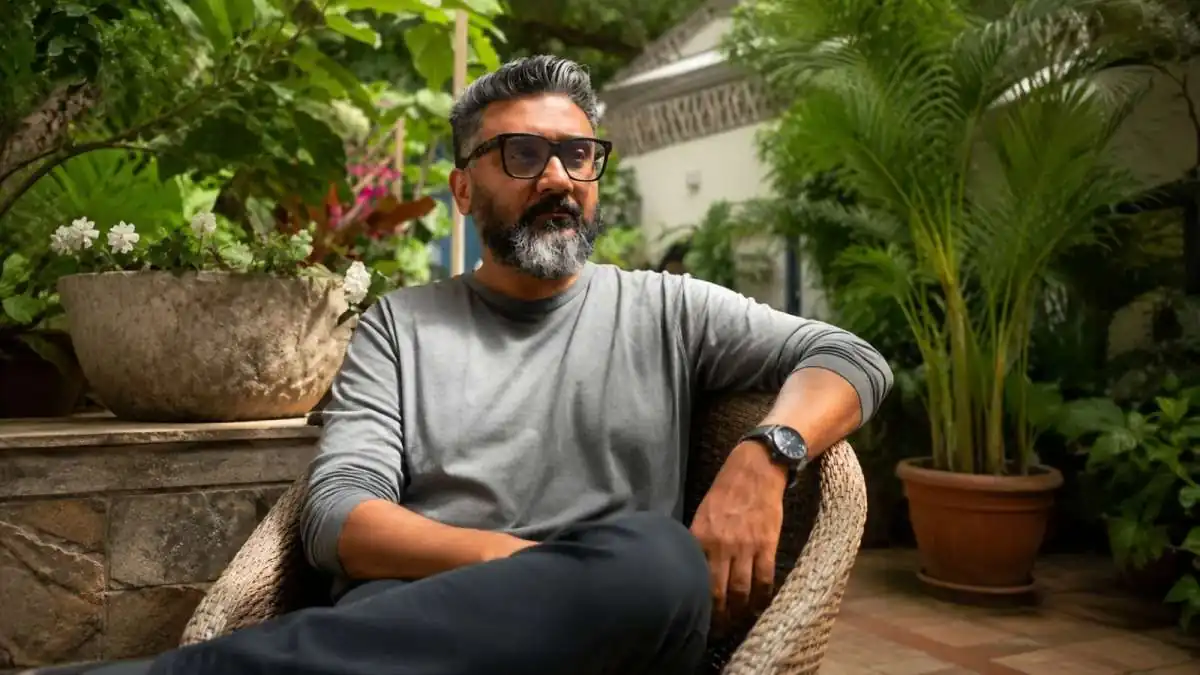
Meta Platforms has appointed Kunal Shah, founder of Indian fintech company CRED, as the new global head of WhatsApp, the company announced on June 22, 2026. Shah takes over from Will Cathcart, who led the messaging platform for over seven years and will transition to a different role within Meta focused on building new products. The appointment, effective June 22, makes Shah the first Indian startup founder to lead the world's largest messaging app, which counts three billion users globally, including more than 500 million in India.
The leadership transition is accompanied by a $900 million funding round led by Meta in CRED, giving Meta a minority ownership stake in the company, now valued at around $4.5 billion. Shah will step down as CRED's chief executive but retain his personal shareholding in the company.
A Cold Email That Changed Course
The appointment did not follow a conventional executive search. Meta Chief Product Officer Chris Cox reached out to Shah directly in the spring, seeking his advice on choosing WhatsApp's next leader. Cox had been contacting entrepreneurs and investors in countries where WhatsApp is deeply embedded — including India, Brazil, and Mexico — and Shah's answers left an immediate impression.
Cox said Shah had "an incredible set of answers," and by the end of the call had asked whether Shah would consider taking on the role himself. The hiring process lasted three months, during which Shah met senior Meta leadership including CEO Mark Zuckerberg.
Cox noted that Shah's understanding of the Indian market was intuitive rather than acquired — "almost like speaking a language" — and said this kind of insight cannot come from reports or short visits alone.
In a public statement, Zuckerberg said Shah had built CRED into "one of India's most important technology companies" and described him as bringing a "builder mentality and global perspective" to the role. Shah, for his part, said the gap between "WhatsApp today and its full potential is massive."
A Career Built Outside the Elite Track
Shah's path to one of the most consequential roles in global technology is atypical. He completed a bachelor's degree in philosophy at Wilson College in Mumbai and later enrolled in an MBA programme at Narsee Monjee Institute of Management Studies, which he did not complete. He did not come through the engineering or management institutions that produced many of India's best-known technology founders.
His first major company, FreeCharge, co-founded in 2010, was one of India's early digital payments startups. In 2015, e-commerce platform Snapdeal acquired FreeCharge in a deal reported to be worth $400 million — at the time the largest startup acquisition in India.
After leaving FreeCharge, Shah spent several years as an angel investor. He backed more than 250 companies and served in advisory roles across India's technology and financial services sectors, including stints with Y Combinator and Sequoia Capital.
He launched CRED in 2018 on a model that rewarded users for paying credit card bills on time. The company now processes more than 40% of India's credit card bill payments, has 17 million monthly active members, and generates annual revenue of around ₹3,200 crore. It has since expanded into lending, insurance, commerce, and wealth management.
What Shah Inherits — and What He Must Build
WhatsApp's commercial record has not matched its reach. India alone generates more than $1 billion in annual revenue for WhatsApp and contributes over half of its global earnings, driven largely by business messaging. Yet the platform has struggled to build a significant payments business despite years of effort.
WhatsApp's paid messaging business surpassed a $2 billion annual run rate in the fourth quarter of 2025, and Meta has been steadily expanding business services, including AI-powered tools that allow companies to respond to customers, generate leads, and schedule appointments within the app.
Shah is expected to focus on strengthening WhatsApp's payments strategy in India, where the platform has yet to secure a meaningful share of the UPI market, while Meta positions WhatsApp as a broader commerce platform supporting multiple payment methods.
At CRED, Miten Sampat, who has overseen strategy and finance since 2020, will serve as interim chief executive, with the board working on a longer-term management structure as the company prepares for an eventual initial public offering.
The broader context is strategic: Meta's decision follows a pattern under Zuckerberg of bringing founders into senior leadership, including last year's investment in Scale AI and the appointment of its CEO, Alexandr Wang, to oversee Meta's AI efforts.