































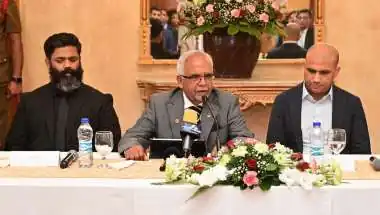






Traders will not switch off UPI on October 2 after all. Leading traders' bodies withdrew their call to observe Gandhi Jayanti as "No UPI Day" following a meeting with Finance Minister Nirmala Sitharaman in New Delhi on Wednesday.
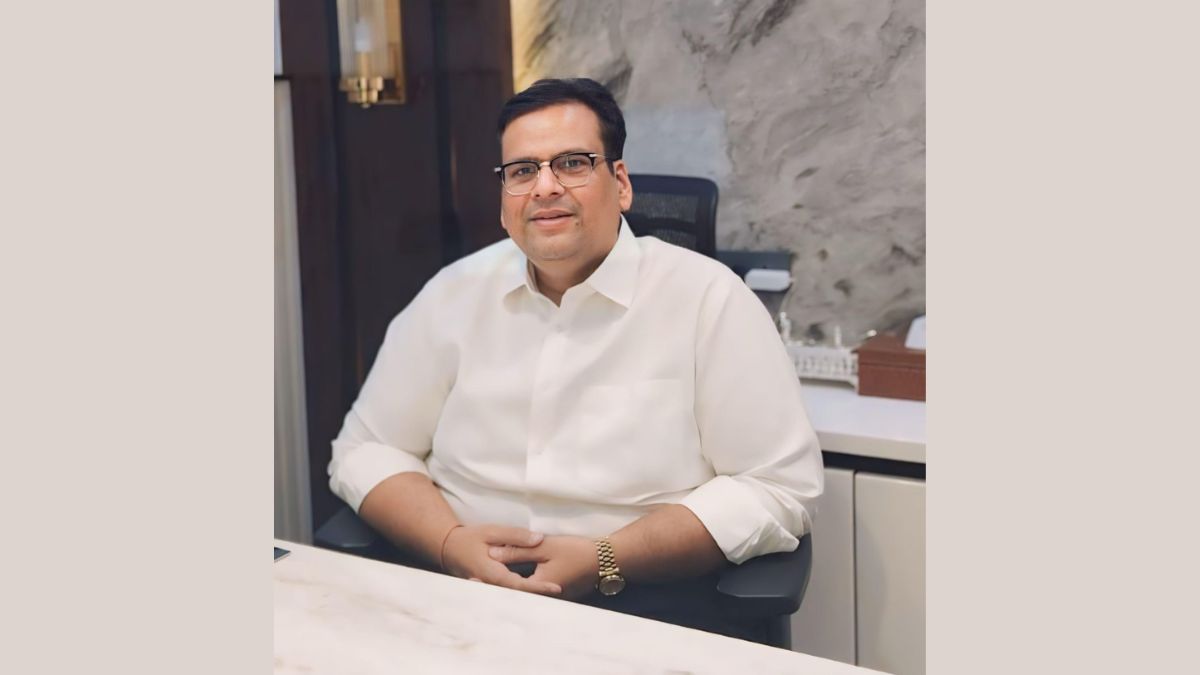
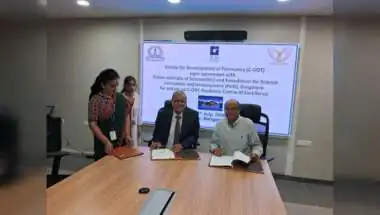
A delegation of about 20 trade representatives from various states, led by Chandni Chowk MP and Confederation of All India Traders (CAIT) secretary general Praveen Khandelwal, met the minister to raise concerns about the upcoming 0.4% fee on merchant UPI payments above ₹2,000. They said it could burden small and medium businesses and slow digital payment adoption among merchants.

The protest call had been given by the All India Consumer Products Federation and the All India Mobile Retailers Association.

"Constructive Talks"
Speaking to reporters after the meeting, Khandelwal said the protest was withdrawn after constructive discussions and assurances that traders' concerns would receive due consideration. He said the trading community would continue to engage with the government.
But the Fee Is Still Coming
Despite the withdrawal, the fee remains scheduled to start on October 15. Traders said they hope their concerns will be addressed before then.
The government had confirmed the new Merchant Discount Rate (MDR) on September 15, under the Payment and Settlement Systems Act, following deliberations by the UPI Steering Committee.
What Merchants Will Actually Pay
| Payment amount | MDR |
|---|
| Up to ₹2,000 | ₹0 |
| ₹3,000 | ₹12 |
| ₹10,000 | ₹40 |
| ₹50,000 | ₹200 |
| ₹75,000 and above | ₹300 (cap) |
Who Is Exempt
- Consumers: The fee is paid by merchants. Banks have been told to ensure merchants do not pass it on, and UPI apps cannot charge platform or hidden fees.
- Person-to-person transfers: Remain completely free.
- Small merchants: Those receiving up to ₹1 lakh a month through UPI QR codes, such as vegetable vendors, tea shops and small kirana stores, pay no MDR. If they cross ₹1 lakh for three consecutive months, they move to the regular merchant category.
- Essential services: Sectors like railways, telecom, insurance, fuel and agriculture inputs pay a flat ₹5 on transactions above ₹2,000.
The GST Question
A key worry among traders was that the 0.4% fee would attract 18% GST, raising costs further. NPCI rejected claims that this would burden small merchants. "This is incorrect. MDR applies only to P2M transactions above Rs 2,000. Transactions up to Rs 2,000 continue to have zero MDR and therefore zero GST impact," it said.
For merchants who do pay MDR, the GST on it can be offset through input tax credit against the GST due on their sales, reducing the extra burden for GST-registered businesses.
Why It Matters: Who Really Feels the Fee
Government data shows transactions up to ₹2,000 make up more than 96% of UPI merchant transaction volume. For most everyday shopping, nothing changes.
But the protest's backers tell their own story. Mobile phone retailers, for instance, routinely handle sales well above ₹2,000, so a large share of their UPI receipts could attract the fee. For such businesses, the charge is not a rare exception but part of daily sales, which explains why they led the protest call.
The government's argument is that the fee is needed to keep UPI running. The MDR will be shared among banks, payment service providers and UPI apps, and is meant to support UPI infrastructure, cybersecurity and merchant onboarding in smaller towns.
What Comes Next
With just over two weeks to go, the key question is whether the government will make any changes based on traders' concerns before October 15. For now, the protest is off, but the fee is not.
With inputs from IANS.