































































India's BRICS Presidency Boosts Global South Agenda
A report says India's 2026 BRICS presidency has advanced the Global South's development agenda through digital infrastructure and finance initiatives like UPI and NDB.


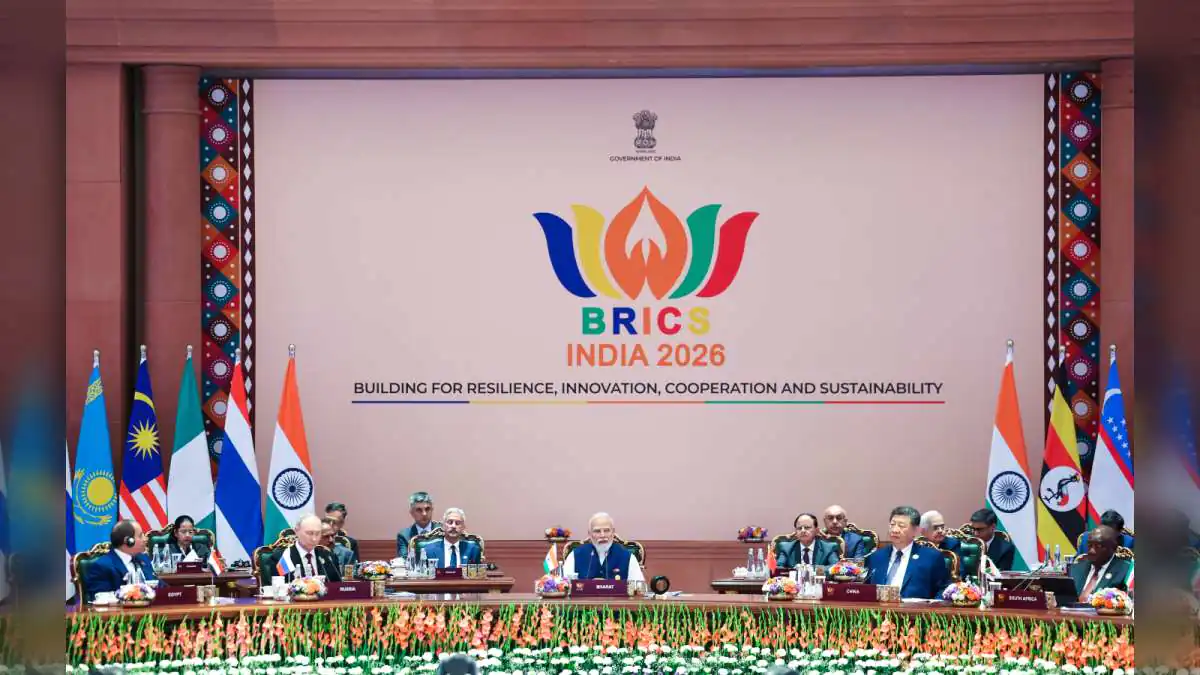

Key Highlights:
- Report highlights India's development contributions: A new report says India's 2026 BRICS presidency has advanced the Global South's development agenda through digital infrastructure and finance experience.
- Digital public infrastructure cited as a model: Aadhaar, UPI and India Stack are highlighted as examples of digital systems built for mass adoption.
- UPI's international spread: UPI-based payment services have been introduced in countries including France, Sri Lanka, Mauritius and the UAE.
- New Development Bank's role: Established by BRICS in 2015, the NDB offers an alternative financing source to traditional institutions like the World Bank and IMF.
- India among the NDB's principal beneficiaries: Projects like the Madhya Pradesh Major District Roads Project have been financed through the bank.
- MSME focus flagged as significant: India's emphasis on local-currency financing and MSME support could extend BRICS finance beyond large infrastructure projects.
New Delhi: India's 2026 BRICS presidency has succeeded in highlighting that the concerns of developing countries should not be treated as peripheral to global governance, and made a positive contribution to the development agenda of the Global South, according to a new report.
India has brought some practical contributions to the table, which include its experience with digital public infrastructure and the crucial need for development finance, according to an article on the Directus news website.
India's Digital Public Infrastructure As A Model
Over the past decade, New Delhi has built a digital ecosystem that has changed how millions of Indians access payments, banking and public services. Aadhaar, UPI and the broader India Stack have become important examples of how digital systems can be designed for mass adoption.