75 artisans, 40 craft varieties and the BHARAT-TULIP push: Shilp Samagam Mela 2026 in Guwahati runs till October 28. Here’s why it matters for artisans.
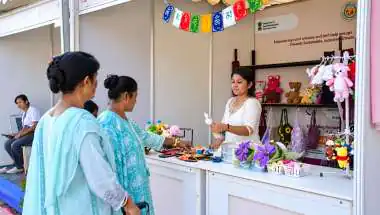
Crowd puller: Several thousand visitors have thronged the Shilp Samagam Mela in Guwahati, which runs from October 21 to October 28.
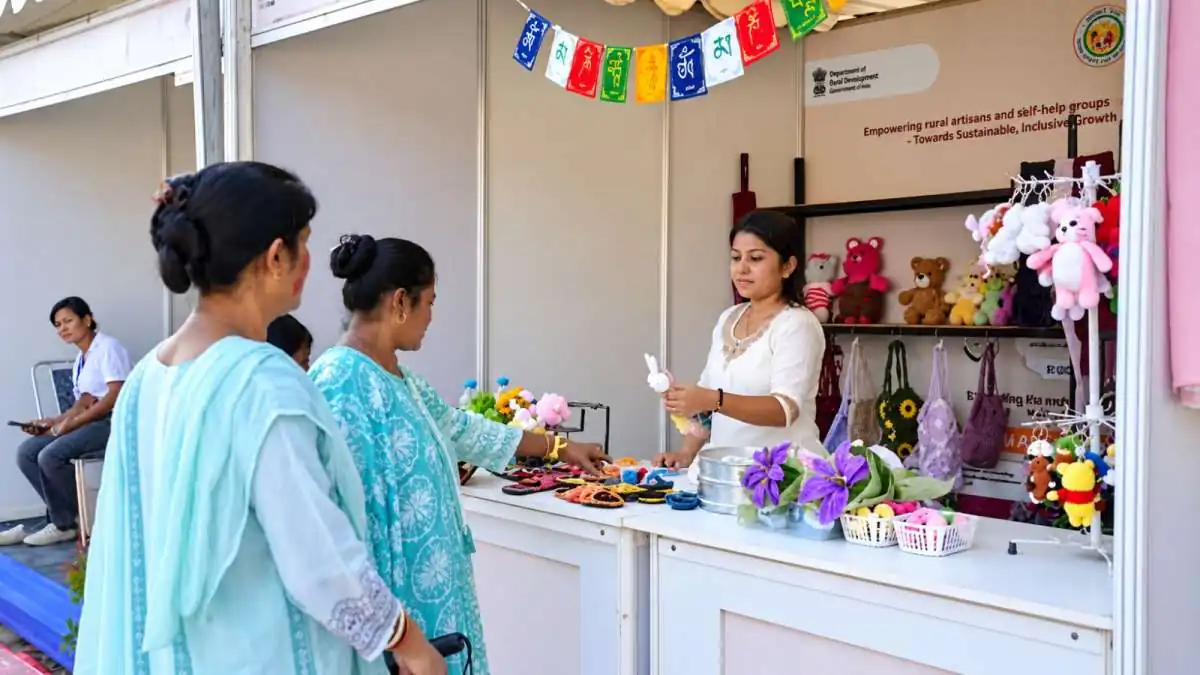
Artisans in focus: 75 artisans, including 31 women, are displaying around 40 varieties of handloom and handicraft products.
Direct-to-buyer model: Artisans sell directly to visitors, cutting out middlemen and building customer connections.
BHARAT-TULIP push: The mela promotes the Traditional Artisans’ Upliftment Livelihood Programme, linking artisans to physical outlets and e-commerce platforms.
Welfare outreach: Visitors and communities are also being informed about schemes run by the Ministry and its three National Corporations.
Guwahati is witnessing a vibrant celebration of India’s craft heritage as the Shilp Samagam Mela (SSM-2026) draws several thousand visitors eager to explore traditional handicrafts and handloom products from across the country. Organised by the Ministry of Social Justice and Empowerment, the mela began on October 21 and will continue until October 28.
According to a senior Ministry official, 75 artisans, including 31 women, are taking part in this edition, showcasing around 40 varieties of handloom and handicraft products. The participants include artisans from the North-eastern states alongside craftspeople from other regions, giving visitors a rare chance to experience India’s artistic diversity under one roof.
For Guwahati, the choice of venue carries special resonance. Assam and the wider North-east have deep-rooted weaving traditions, and local audiences tend to have a keen eye for quality handloom. Placing regional artisans beside those from other states not only widens buyers’ choices but also exposes North-eastern craftspeople to fresh designs, price points and customer preferences.
More Than an Exhibition: A Livelihood Bridge
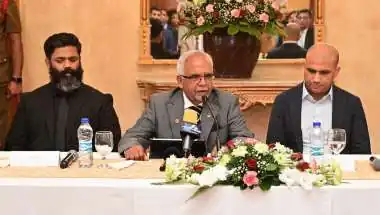
What sets the Shilp Samagam Mela apart from a typical crafts fair is its social and economic purpose. The initiative provides marketing support to artisans and beneficiaries linked with the Ministry’s three National Corporations: the National Scheduled Castes Finance and Development Corporation (NSFDC), the National Safai Karamcharis Finance and Development Corporation (NSKFDC), and the National Backward Classes Finance and Development Corporation (NBCFDC).
For many of these artisans, access to markets is often a bigger hurdle than skill. Traditional craftspeople frequently depend on intermediaries who capture a large share of the final price. By enabling direct sales, the mela allows artisans to earn better margins, understand customer demand first-hand, and build relationships with prospective buyers that can outlast the event. The official said this direct interaction is intended to strengthen market access, encourage entrepreneurship and improve livelihood opportunities.
A central theme of this year’s edition is BHARAT-TULIP (Traditional Artisans’ Upliftment Livelihood Programme), which helps market products made by artisans from target groups through physical outlets and e-commerce platforms. This digital push is significant. As more consumers shop online, artisans without a digital presence risk being left behind. Linking them to e-commerce channels could help extend their reach well beyond a single city or week-long fair, and create more stable income streams.
The mela also doubles as an awareness platform, informing visitors and participating communities about welfare, financial assistance and development schemes run by the Ministry and its three corporations. Officials described the effort as complementing financial support with market-oriented interventions, so that traditional skills can translate into viable livelihoods.
The strong turnout in Guwahati sends a clear signal: there is genuine public appetite for authentic, handmade products. The real measure of success, however, will be whether the connections made at the mela, especially through platforms like BHARAT-TULIP, convert into sustained earnings for artisans long after the stalls close on October 28.