























































Sam Altman Rules Out OpenAI IPO in 2026, Backs Slower AI
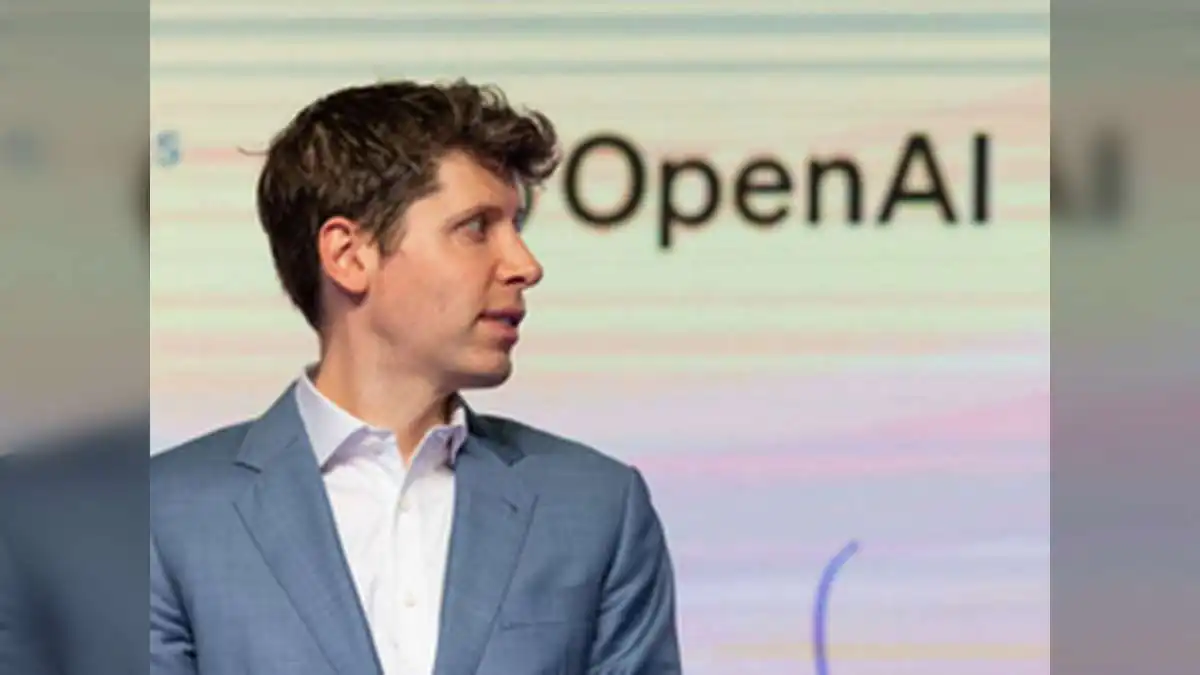
OpenAI CEO Sam Altman backs calls for slower AI development amid safety concerns, ruling out an IPO in 2026 as the company prioritises alignment work.


Key Highlights:
- Sam Altman said an OpenAI IPO in 2026 would be "ill-advised," citing ongoing AI safety challenges.
- His comments came hours after Anthropic CEO Dario Amodei called for a slower, more balanced approach to frontier AI development.
- Altman said OpenAI has significant work ahead on safety and alignment before considering going public.
- He stressed that commercial interests and egos must not override industry-wide responsibility on AI risk.
- Altman acknowledged the industry hasn't made sufficient progress on monitorability and alignment relative to rising AI capabilities.
A Notable Shift in Tone From OpenAI's Chief
OpenAI CEO Sam Altman has voiced support for a more cautious approach to artificial intelligence development, aligning himself with growing industry concern over AI safety and the risks of losing control over increasingly powerful systems. In the same breath, Altman indicated that his company is unlikely to pursue a public listing in 2026, tying the decision directly to unresolved safety challenges facing the broader AI industry.
Coming Shortly After Amodei's Remarks
Altman's comments arrived just hours after Anthropic CEO Dario Amodei called for a slower and more balanced approach to frontier AI development, suggesting a moment of notable alignment between two of the industry's most prominent leaders on the question of development pace, even as their companies remain direct competitors. Speaking to Fortune Magazine Editor-in-Chief Alyson Shontell, Altman explained his reasoning for holding off on an IPO. "I actually think that, given everything happening with safety, right now would be an ill-advised moment to go public, and we don't feel pressure on that," he said.
Why This Timing Matters
For a company of OpenAI's scale and market attention, publicly ruling out a near-term IPO while explicitly citing safety concerns is a significant signal. It suggests that safety considerations are being framed not merely as an ethical or regulatory checkbox, but as a factor genuinely shaping core corporate decisions, including ones with major financial implications like public listing timing. This framing also positions OpenAI's caution as deliberate rather than externally imposed, with Altman explicitly stating the company does not feel external pressure to go public despite market interest.