





















































Beyond Tourist Numbers: Shekhawat Pitches New Destinations, Private Investment
Tourism Minister Gajendra Singh Shekhawat says India's next tourism phase needs private investment, new destinations and better experiences. Hotel occupancy hit 64.1% in 2025.

B
Business
NEWS CARD

“Beyond Tourist Numbers: Shekhawat Pitches New Destinations, Private Investment”

Read more onwww.entrepreneuroutreach.com/s/aeeb7d
1 Oct 2026
Key Highlights
- New focus: Tourism Minister Gajendra Singh Shekhawat said the next phase must look beyond tourist numbers to new destinations, experiences and better management.
- Investment push: Greater private investment in infrastructure, hospitality and skills will be crucial, he said.
- Demand drivers: Rising incomes and new highways, airports and rail links are expected to boost travel.
- Hotels fuller: Organised hotel occupancy rose to 64.1% in 2025 from 42% in 2021, an ASSOCHAM-CBRE report said.
- Growth areas: Spiritual, MICE, wellness, cruise, rural and wildlife tourism are seen as major opportunities.
For years, tourism success in India has largely been measured by one number: how many people visit. Union Tourism Minister Gajendra Singh Shekhawat suggested that yardstick is no longer enough.
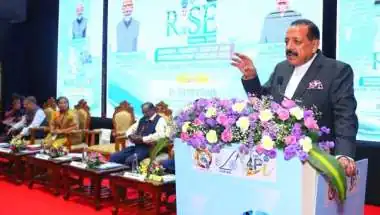
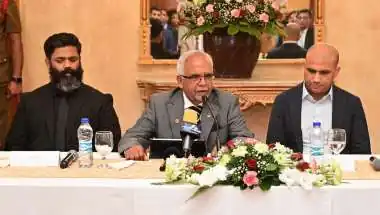
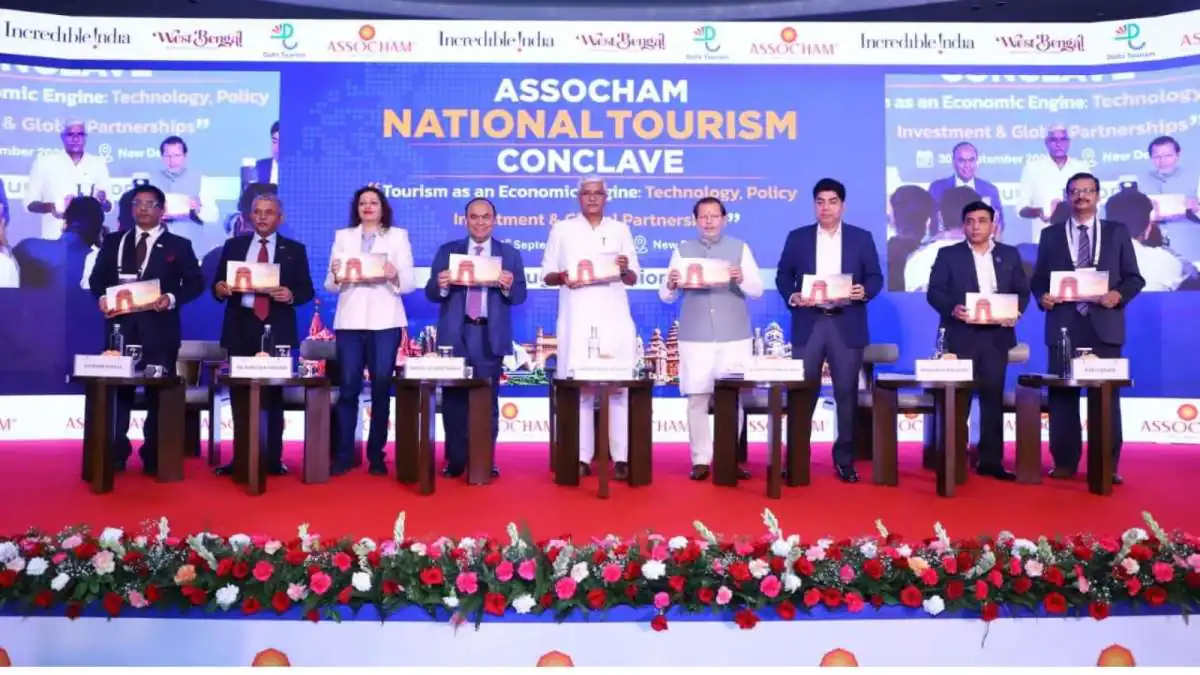
"The next phase of tourism growth will require us to look beyond increasing tourist numbers and focus on building new destinations, creating new experiences and improving destination management," he said at the ASSOCHAM National Tourism Conclave 2026 in New Delhi on Thursday.

Why Demand Is Rising
Shekhawat said tourism is emerging as a key driver of economic growth and employment, and can play a bigger role in India's goal of becoming a developed nation by 2047.