





















































How Algorithms Feed Gen Z Polarising Online Content
An analysis examines how engagement-driven social media algorithms shape content consumed by India’s large Gen Z population and the risks of polarisation and misinformation.




New Delhi: India’s Gen Z population, estimated at around 407 million people aged 14 to 29 years or nearly 28 per cent of the national population according to UN World Population Prospects data, forms a decisive demographic for the coming decades. A recent analysis argues that the group’s heavy reliance on social media exposes it to algorithmically curated content that prioritises engagement over accuracy.
An article published by Indian Narrative, authored by Lt Gen (retired) Abhay Krishna, cites an IIM Rohtak study in which nearly 39,000 respondents aged 18 to 25 reported an average daily screen time of about seven hours, with substantial portions spent on social platforms. When hundreds of millions of young people devote this volume of attention to algorithm-driven feeds, the content they encounter cannot be treated as a neutral reflection of reality, the article contends.
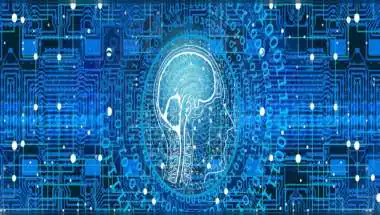
It describes these algorithms as systems optimised for attention. Rather than prioritising what is true or socially beneficial, they are designed to maximise the time users spend scrolling so that more advertisements can be sold. “The core issue is that algorithm-driven social media is not a neutral mirror of reality but it is, rather, designed to maximise engagement and that design often rewards outrage, polarisation and emotionally charged content,” the article states. In practice, it argues, this can distort public debate, suppress inconvenient information and intensify real-world tensions.