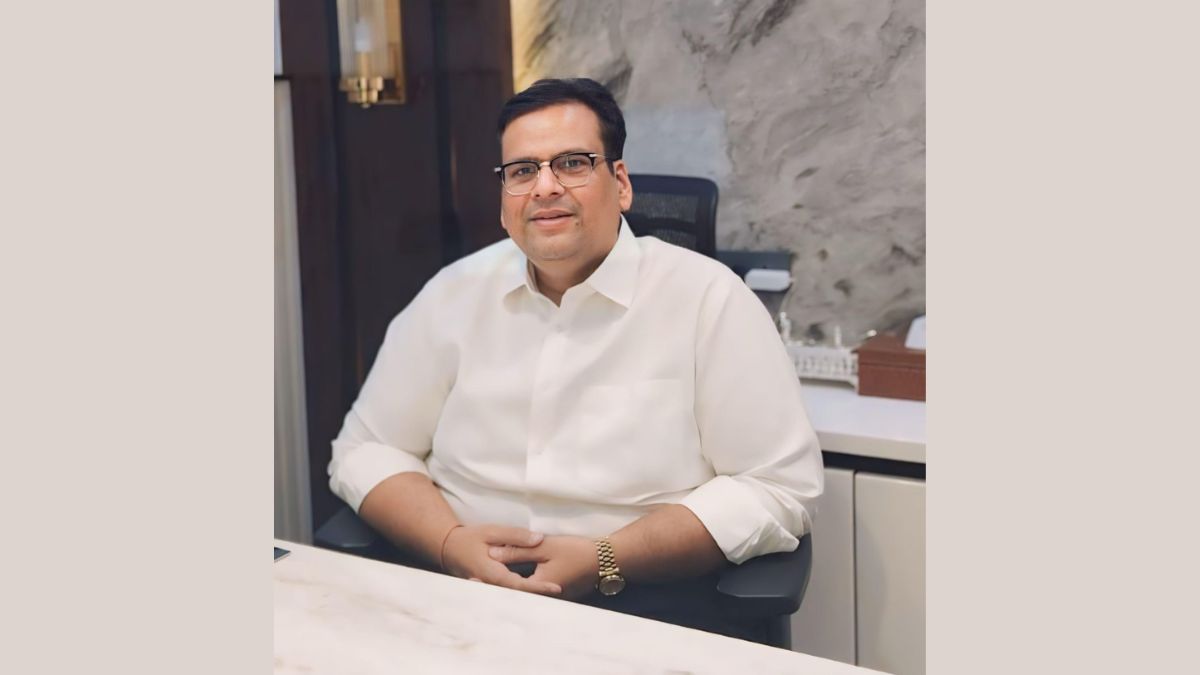


























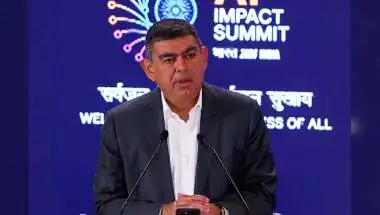






















Private consumption remained robust and investment continues to be resilient, as suggested by various indicators related to construction, capital goods and bank credit, he said while delivering his address after the three-day Monetary Policy Committee meeting.

“External demand also sustained, as healthy expansion in services exports was complemented by a rebound in merchandise exports,” the Governor noted.

Looking ahead, Malhotra cautioned that the turbulent global economic environment is likely to have some bearing on domestic economic activity. “Energy prices and supply chain pressures remain elevated and uncertain. The adverse impact is being contained with various supply-side measures. Even though the situation is still evolving, deficient and uneven south-west monsoon amidst El Niño conditions pose some risks to the agriculture sector’s outlook and rural demand,” he said.
Nevertheless, government initiatives pertaining to crop diversification, including short-duration as well as climate-resilient crops, and water harvesting and conservation, among others, are expected to mitigate the impact, he informed.
Furthermore, sustained momentum in services, the continuing impact of GST rationalisation, and broadly stable employment conditions should continue to support urban demand. “Strong capacity utilisation, robust credit flow and the government’s continued thrust on infrastructure is expected to sustain investment activity. While services exports are expected to sustain, merchandise exports will be supported by the recent trade agreements and thrust on diversification,” Malhotra said.
Growth continues to be supported by resilient domestic demand, sustained expansion in manufacturing and services activity, and robust exports, reaffirming India’s position as the world’s fastest-growing major economy.
On the policy front, he explained: “There is a need for greater clarity to emerge, especially regarding inflation, its path and composition before taking any policy action. Any such action would also have to consider the need for recalibration of policy rates in line with the evolving growth-inflation dynamics, especially the normalisation of the underlying inflation from its benign levels seen hitherto.”