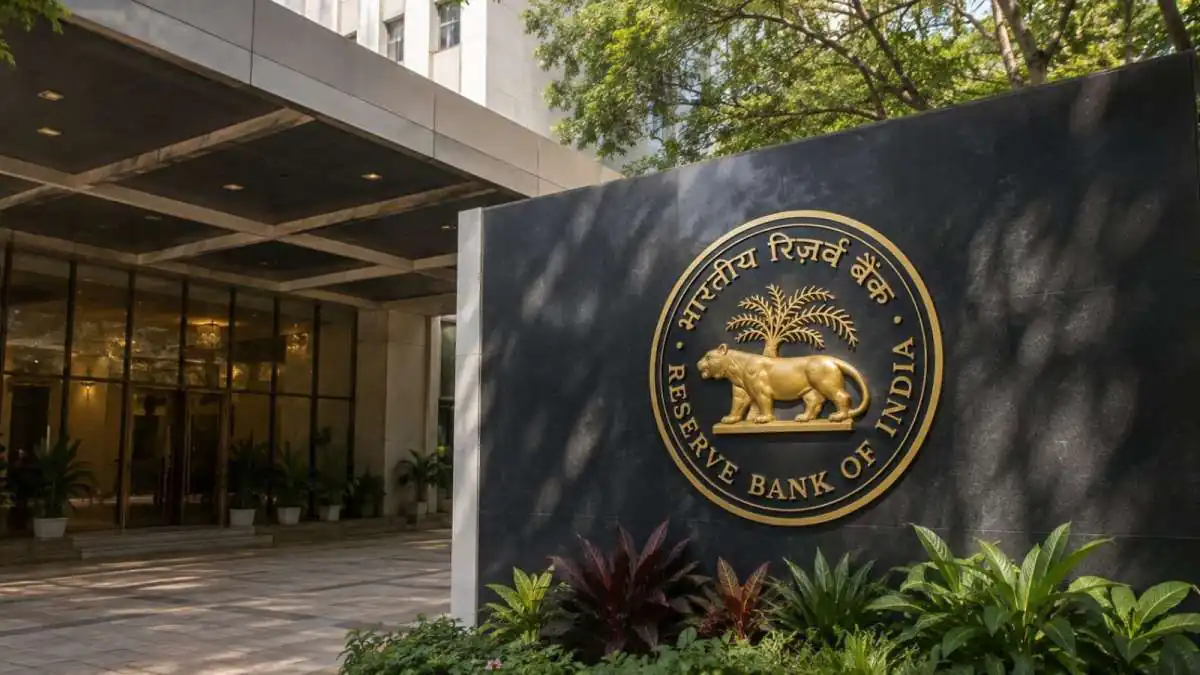
The Reserve Bank of India (RBI) absorbed Rs 75,026 crore from the banking system through an overnight variable rate reverse repo (VRRR) auction on Wednesday, as it continued efforts to manage excess liquidity and keep short-term money market rates aligned with the policy repo rate.
According to the RBI, the auction attracted strong demand from banks, with bids worth Rs 87,993 crore received against the notified amount of Rs 75,000 crore, indicating that banks were keen to park more surplus funds with the central bank than the auction size initially allowed for.
However, the central bank accepted bids worth Rs 75,026 crore. The cut-off rate and weighted average rate for the auction stood at 5.24 per cent, giving a clear indicator of the short-term rate at which this liquidity was absorbed from the banking system.
Persistently Comfortable Liquidity Conditions
The move comes as liquidity conditions in the banking system remain significantly comfortable. RBI data showed that surplus liquidity stood at around Rs 4.45 lakh crore as of September 22, prompting the central bank to continue using liquidity absorption tools to moderate excess cash in the financial system.
A Sustained Series of VRRR Auctions
The RBI has been conducting a series of VRRR auctions since last month to absorb surplus funds from banks and ensure overnight rates remain closer to the benchmark repo rate, reflecting an ongoing, rather than one-off, effort to manage the persistent liquidity surplus.
Supplementing With OMO Sales
The central bank has also supplemented these measures through open market operation (OMO) sales of government securities, using a second distinct tool alongside VRRR auctions to address the same underlying liquidity challenge.
Recent OMO Sale Activity
As part of its liquidity management strategy, the RBI conducted OMO sales worth Rs 50,000 crore on September 17 and another Rs 25,000 crore on September 21.
How OMO Sales Work
Under an OMO sale, banks and other investors purchase government securities from the central bank, resulting in a withdrawal of rupee liquidity from the banking system, a mechanism that permanently removes rupee liquidity from circulation, in contrast to the VRRR auction's more temporary, overnight absorption of funds.
A Broader Three-Tranche Plan
The central bank had earlier announced OMO sales totalling Rs 1 lakh crore in three tranches to tackle prevailing liquidity conditions. The final tranche of Rs 25,000 crore is scheduled to be conducted on September 28, giving a clear timeline for when this particular round of OMO-based liquidity management will be completed.
What's Driving the Liquidity Surplus
Analysts said liquidity in the banking system has been boosted by substantial mobilisation of Foreign Currency Non-Resident (Bank) [FCNR(B)] deposits by banks. The inflows brought foreign currency into the system, while subsequent swaps with the RBI injected rupee liquidity into banks, explaining a significant structural driver behind the sustained liquidity surplus the central bank has been managing in recent weeks.
Additional Contributing Factors
In addition, government spending towards salaries, pensions and other month-end expenditures has further added to liquidity levels, indicating that both the FCNR(B) deposit inflows and routine government fiscal outflows are combining to keep liquidity conditions comfortably in surplus, necessitating the RBI's continued and multi-pronged approach to absorbing excess funds from the banking system.