Maize prices in Namakkal have jumped from Rs 22 to Rs 34 per kg after poor rainfall, pushing up poultry feed and egg production costs. Here’s what it means.
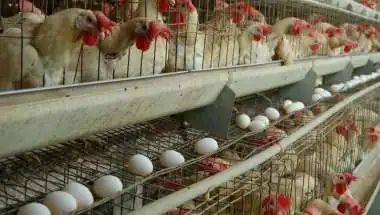
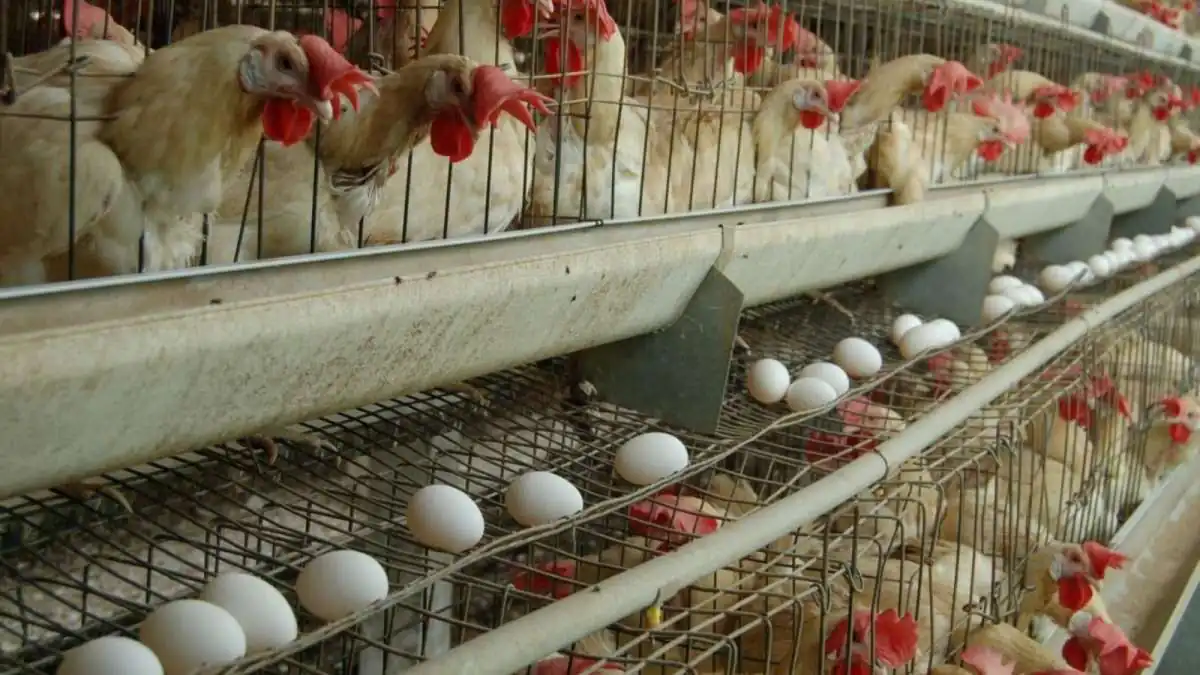
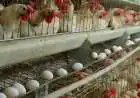
In Namakkal, a poultry farm cannot skip a day of feeding. Every bird has to eat, every day, whatever the price of grain. That simple fact is now at the centre of a growing cost problem in one of India's largest egg-producing hubs, where a steep rise in maize prices is pushing up the expense of keeping flocks fed.
Maize, which was selling at around Rs 22 per kg, now costs Rs 33 to Rs 34 per kg. That is a jump of roughly 50 to 55 per cent, or an extra outlay of up to Rs 12 on every kilogram farmers buy.
Poultry farmers say the root cause lies in the fields, not the market. Inadequate rainfall in major maize-growing areas, along with the effects of El Nino on cultivation, has reduced supplies. Procurement from key cultivation belts such as Attur, Pethanaickenpalayam and Kallakurichi, which regularly supply maize to Namakkal's farms, has been hit. With less grain coming in, the market has tightened and procurement costs have climbed.
For farmers, the problem is now twofold. They are paying more for maize, and they are also struggling to find enough of it.
The reason a single crop can shake an entire industry comes down to the feed formula. Maize and soya are the main ingredients in poultry feed, and maize alone accounts for more than 40 per cent of it. Any change in its price feeds directly into a farm's overall spending.
The daily numbers make this clear. An adult bird eats around 110 grams of feed a day, and nearly 55 grams of that is grain, mostly maize. Multiplied across the large flocks kept by Namakkal's farms, even a small rise in maize prices adds up quickly. A 50 per cent rise is far from small.
Maize also plays a role that consumers notice without realising it. It contributes to the colour of egg yolks, which is why poultry representatives see it as an essential ingredient and not one that can be easily replaced. That makes the current supply squeeze harder for the sector to work around.
The higher cost of maize has raised the cost of preparing feed, which in turn has raised what farmers must spend to maintain their flocks and produce eggs. Since feeding cannot be paused or cut back without affecting the birds, farmers have little choice but to keep buying at higher rates.
The situation also shows how closely farm sectors are linked. A weak monsoon in maize-growing districts does not just hurt crop farmers. It travels down the supply chain to poultry farms, and from there it can affect the cost of one of India's most widely consumed sources of protein.
For now, Namakkal's poultry farmers are watching two things closely: how much maize costs, and whether they can get enough of it to keep their daily operations running. Until supplies from the growing regions recover, both are likely to remain a concern for a sector that keeps much of the country's egg supply moving.