Rare earth elements, graphite and vanadium are used in electric-vehicle batteries, wind turbines, electronics and defence equipment. Global supply of these minerals is concentrated in a few countries. India has now offered more of its own deposits to the market, as the Centre moves ahead with its effort to build a domestic critical mineral supply chain.
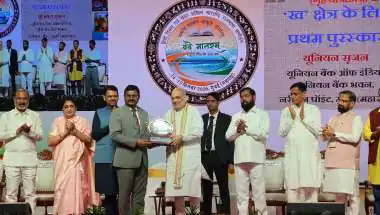
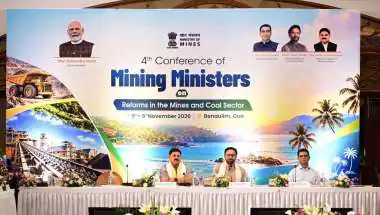
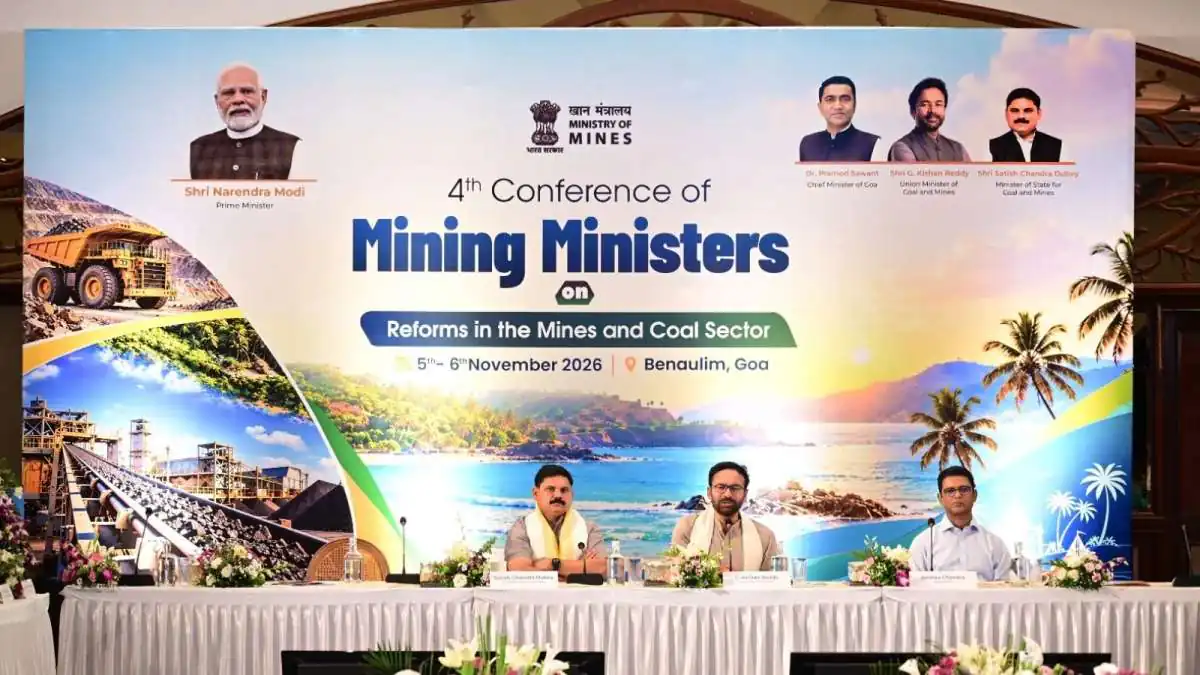
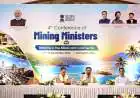
The 9th tranche of auctions for critical and strategic mineral blocks was launched at the fourth conference of mining ministers. It offers 20 mineral blocks across eight states. A third tranche of exploration licence auctions, covering 11 exploration blocks across six states, was launched at the same event. According to the Ministry of Mines, the two auctions are aimed at unlocking the country's untapped mineral potential.
The two auctions serve different purposes. Mineral block auctions cover deposits that are already identified. Exploration licences cover earlier-stage areas that still need surveying to confirm whether they hold workable reserves. Auctioning exploration blocks lets private companies take on that early risk, which in the past was largely handled by government agencies. Over time, these blocks could add to the pipeline of mineable deposits.
Data portals for the mining sector
Alongside the auctions, officials launched ANVESH and EKAM, two digital portals developed by the Indian Bureau of Mines (IBM) to support better-informed decision-making.
ANVESH (Analytics and Navigation for Valuation, Evaluation and Strategic Headway in Mining) gives access to key mining data and tools to analyse it. This includes mineral production, despatch, sale quantities, average sale prices, and imports and exports. The ministry described the two portals as important steps towards strengthening India's mineral security and modernising the mining ecosystem.
Having this data in one place could make it easier for state governments, investors and policymakers to track the sector. Bidders could use it to assess blocks before an auction, and officials could use it to monitor how much the country still depends on imports.
What the leaders said
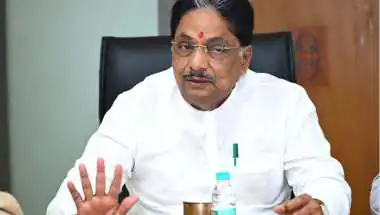
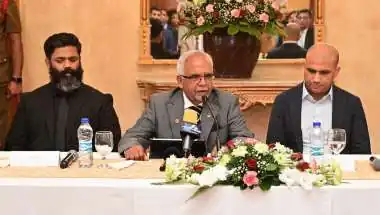
Union Minister of Coal and Mines G. Kishan Reddy linked the mining and coal sectors to the Viksit Bharat @2047 vision. He called for higher domestic mineral production, faster exploration, more processing, refining and recycling of critical minerals, adoption of modern technologies, and stronger Centre–State cooperation.
Minister of State for Coal and Mines Satish Chandra Dubey stressed coordination between the Centre and states, more exploration, and solving problems in the sector. Goa Chief Minister Dr. Pramod Sawant spoke about mining's role in Goa's economy and called for sustainable mining practices and responsible use of resources.
Keshav Chandra, Secretary, Ministry of Mines, said active participation by states and close coordination with the Centre are essential, along with faster exploration. State mining ministers raised state-specific concerns and implementation problems that need support from the Central government.
The bigger picture
Under India's federal system, most mineral resources are auctioned by state governments, while the Centre sets the policy framework. That is why Centre–state coordination came up repeatedly at the conference. The auctions and portals launched this week will matter only if the blocks attract strong bids and move quickly into actual mining, which will decide whether India can reduce its dependence on imported critical minerals.
With inputs from IANS