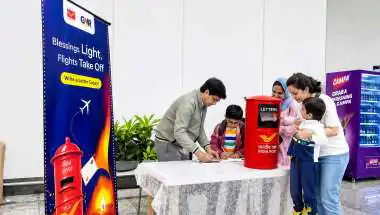
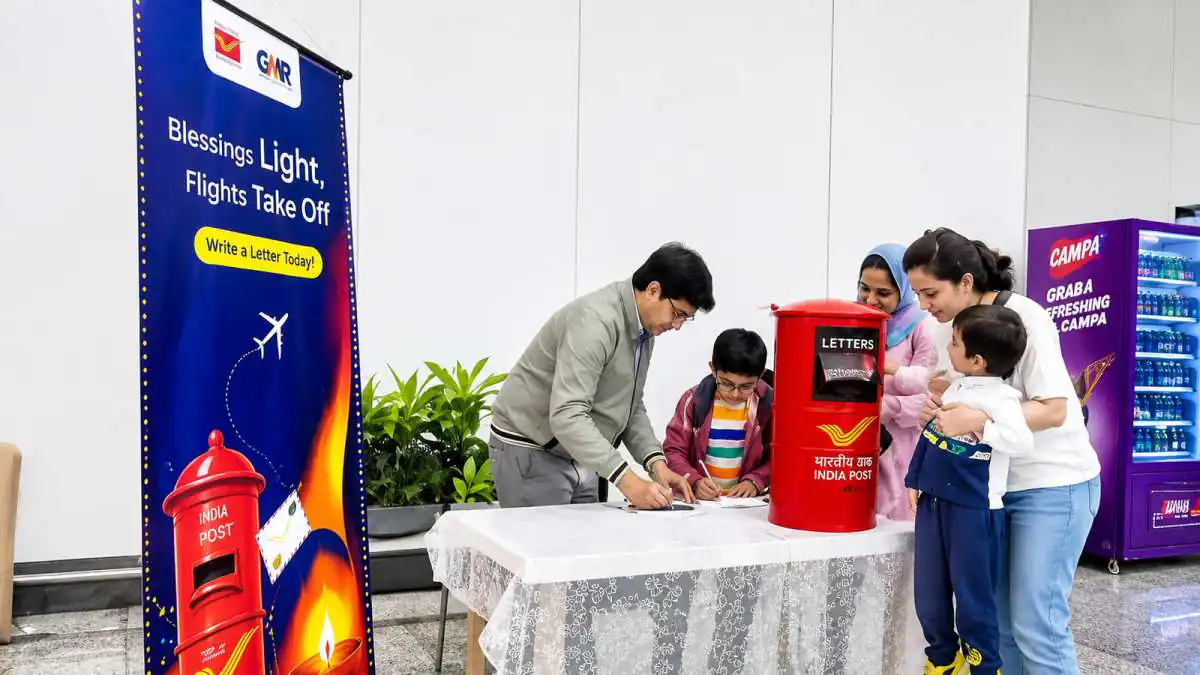
On most flights, passengers spend the time scrolling, watching downloaded shows or answering messages before the plane takes off. This Diwali, some IndiGo travellers spent the flight writing postcards by hand instead.
The Department of Posts, working with IndiGo, has run the second edition of its in-flight postcard-writing activity, Digital Detox 2.0. The Ministry of Communications announced it in an official statement on Tuesday. The idea was simple: ask flyers to step away from their screens and send handwritten festive greetings to the people they care about.
According to the ministry, the second edition followed a positive response to the first, which ran across 15 IndiGo flights to 11 destinations: Chandigarh, Ranchi, Bagdogra, Delhi, Mumbai, Goa, Pune, Ahmedabad, Kolkata, Varanasi and Jaipur.
"Passengers were provided with specially designed Digital Detox kits containing postcards, greeting cards and DIY postcards through specially designed Diwali Stickers encouraging them to take a break from their screens and pen personalised festive messages," the ministry stated.
A Generation Writing Its First Postcard
The most telling part of the campaign came from the passengers. For many younger Indians, a postcard is something they have seen in old films or family albums, not something they have ever posted themselves.
"This was my first time writing a postcard. It made me realise how special handwritten messages can be in an age of instant digital communication," one participant said, according to the statement. Another passenger said, "Sending Diwali wishes through a handwritten postcard felt much more personal and meaningful than a digital message."
A third flyer said that writing a postcard at 30,000 feet was a wonderful experience, one he would remember for the rest of his life.
These reactions say a lot about how festive greetings have changed. Diwali wishes now usually arrive as forwarded images, emoji strings and broadcast messages that are opened, skimmed and forgotten within seconds. A card someone wrote by hand, and that arrives days later, means more because it took time and effort.
Why This Campaign Works
India Post has spent the past few years changing how people see it. It is no longer just a mail carrier. It now runs banking, parcel logistics and public outreach as well. Pairing with a major airline puts the old postcard in front of a young, mobile and very digital audience that may otherwise never walk into a post office.
The timing also helps. Diwali is when Indian families reach out to relatives and friends the most, so it is the right moment to remind people how a personal note feels. For IndiGo, the campaign adds an emotional touch to the in-flight experience at no great cost, and it plays well with travellers heading home for the festival.
"By bringing the experience of letter writing to air travellers, the campaign highlighted the enduring charm of personal correspondence in an increasingly digital world," the statement noted.
India Post said Digital Detox 2.0 reaffirmed its commitment to new forms of public outreach. It described the campaign as a way to celebrate the tradition of connecting people through letters while adding a personal touch to Diwali.
The campaign was small and the gesture was simple. Still, it showed that in a country that sends billions of messages a day, a handwritten Diwali card can make a real impression.
With inputs from IANS